If you have an older home with original wiring, you may be wondering if your home has knob and tube wiring, and how this electrical system differs from modern home electrical wiring. For homeowners using a modern electrical load, it’s important to know that your home needs to have a modern, upgraded electrical system.
At Fusion Electric, we offer high-quality, modern, licensed electrical work to homeowners and businesses across the Kansas City area. In this guide, we’ll discuss what knob and tube wiring are, and why it’s important to upgrade your home to a modern electrical system.
What Is Knob and Tube Wiring?
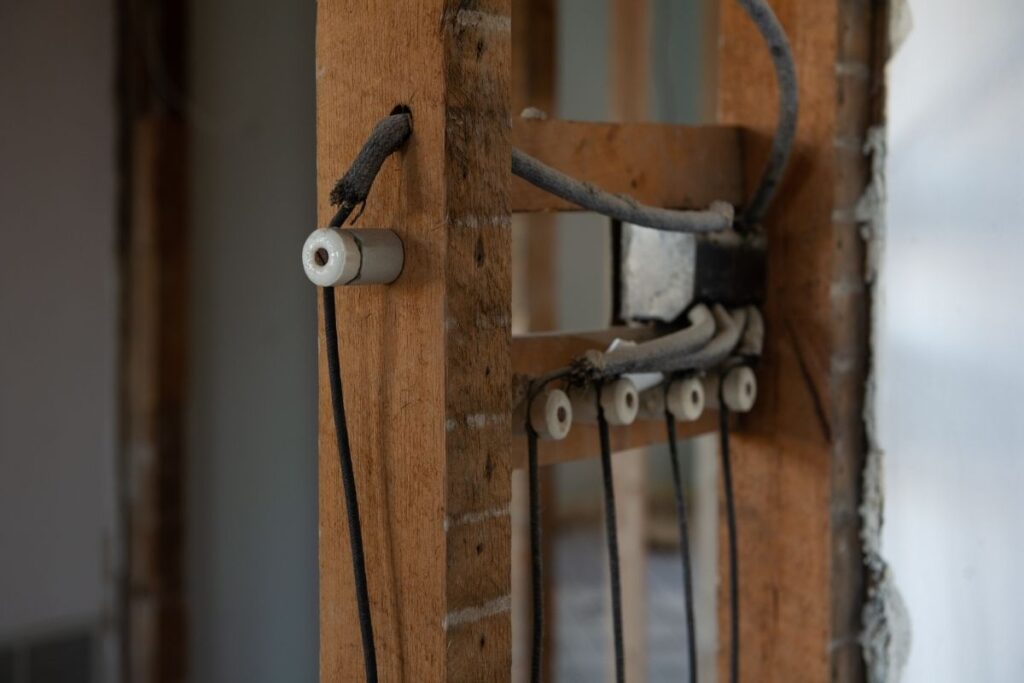
Knob and tube wiring was a common form of wiring a home or building in the US from the early 1900s up until the 1950s. This electrical system comprises two copper wires, one hot and one neutral, that run through porcelain knobs and tubes. The wires are usually covered in an insulative material to protect from electrocution should someone come into contact with the live wire. These systems can typically handle up to 60 amps of power.
Considered innovative for its time, this outdated wiring system is no longer considered safe or compatible with a modern home or business’s electrical demand. The wiring method also poses shock and fire hazards that modern wiring systems do not. If you have knob and tube wiring, read on to learn why it’s best to hire a reputable electrical to upgrade your electrical system as soon as possible.
Why Knob and Tube Wiring Is Incompatible with Modern Electrical Demand
Knob and tube wiring is no longer compatible with modern electrical load or safety standards due to its maximum amp capacity, ungrounded system, and risk of deterioration from age.
Incompatible with a Modern Power Load
While this form of electrical wiring may have been able to meet and handle the common electrical load of its time, knob and tube wiring simply can not handle the power demand of a modern household or business. Modern homes commonly put out at least 150 amps of power daily, which is over twice the maximum load this old system of wiring can handle.
This means, for example, a home built in the 1930s with original wiring, will greatly struggle to support the electrical demands of modern appliances that may be in the home. This can lead to constant circuit breaker tripping, blown fuses in older homes, and even poses a risk of fire.
Ungrounded System
This old type of wiring only has two copper wires- the live wire and the neutral wire. There is no grounded wire in this system, which means that excess electricity does not have a ground wire to safely travel back into the ground. Rather, you are at risk of being electrocuted should your person present the path of least resistance for the excess energy to travel through.
Risk of Deterioration from Age
Knob and tube wiring phased out as the common means of wiring buildings in the 1940s/1950s. This means that if your home still has this kind of electrical system, you’re looking at having a system that is at least 70 years old. The insulation very well may have deteriorated at this point, leaving dangerously exposed wires, posing shock and fire risk. You also may have a system that has been tampered with over the last century in which previous homeowners may have attempted their repairs or alterations themselves.
Key Dangers of Knob and Tube Wiring
Used from 1880 through the 1940s, knob and tube wiring is easily identified by its white ceramic spools. While common in historic homes, this system is obsolete and poses several severe safety risks.
Why It’s a Safety Hazard
- Age and Overloading: Most systems are 70–130 years old. They weren’t designed for modern electronics and can easily overheat, causing electrical fires.
- No Ground Wire: Unlike modern wiring, this system lacks a ground wire. This leaves your appliances vulnerable to surges and increases the risk of electrical shock.
- Moisture Sensitivity: These wires are not rated for wet environments, making them particularly dangerous in kitchens, bathrooms, or outdoor areas.
- Insulation Risks: Per the NEC, knob and tube wiring must dissipate heat into open air. When buried under modern home insulation, it becomes a major fire hazard—a fact that leads many insurance companies to deny coverage.
The Verdict: If your home still uses knob and tube wiring, it’s time for a professional replacement to protect your property and family.
What Should I Do If My House Has Aluminum Wiring?
Common in older KC homes, aluminum wiring is softer and expands more than copper. Over time, this leads to loose connections—a significant fire hazard. While you can manually check every outlet, switch, and breaker annually, it is an inconvenient and risky “fix.”
The Solution: Copper-Aluminum Pigtails
You don’t always need a full rewiring. We can often install copper-aluminum pigtails using specific UL-listed connectors. This allows you to safely use modern copper-rated devices (outlets and switches) without the corrosion risks of mismatched metals.
Note: Aluminum wiring requires a professional safety inspection. Always consult a licensed electrician to mitigate these risks.
Other Red Flags to Watch For
- Sloppy Circuit Panels: Overcrowded panels or exposed wires lead to frequent surges and breaker trips.
- Damaged Outlets & Switches: If covers feel hot, plugs fit loosely, or you see scorch marks, replace them immediately.
- Insufficient GFCI Protection: Ensure Ground Fault Circuit Interrupters are installed in high-use areas and anywhere near water.
Don’t DIY Your Safety
Electrical work is dangerous. If you suspect your home has outdated wiring or faulty components, call Fusion Electric for a professional inspection and repair.
What are the Risks of Outdated Wiring in Your Home?
Fire hazards should be a chief concern for any homeowner. Even folks who know very little about wiring are aware that faulty electrical work is among the greatest contributors to fire damage. This is a pronounced concern for residents of older homes, particularly ones built before the 1950s.
In the old days, electricians would install something called “knob and tube” wiring, which is now obsolete. You could think of it as the lead piping of electrical work because they put it into houses all the time before they knew of its fire potential.
There are other wiring substances that are problematic for different reasons, too. Aluminum was a popular writing substance until electricians discovered that it also overheats. Today’s electric codes forbid most of the bad electrical substances of the past, but we still find these in old houses. If you live in such a home (60 years or older), contact us for a safety inspection.
The Bottom Line? Replace Your Knob and Tube Wiring with a Modern Electrical System
If you have this old type of wiring in your home, the best thing you can do is have the entire electrical system replaced as soon as possible. This may sound like a daunting and expensive task, but it’s certainly worth making sure you protect your home and loved ones from shock and fire hazards.
A new system will not only be safer but will perform far better and more efficiently, saving you money and preventing power surges and circuit breaker tripping.
Call in the Pros at Fusion Electric
At Fusion Electric, we’re proud to offer top-of-the-line electrical services to home and business owners across the Kansas City area. If your house has knob and tube wiring, contact us today about upgrading to a modern, vastly safer, and more efficient electrical system.